A Blog Post by Leo James, MA, LMFT
Big reactions are often sparked by little triggers, “she said ‘that word’ again, he did not respond, again.” In an instant there is the emotional reactivity, fired up and ready to go. It may flash and feel scary. It may be passive brooding, weathering of a long, bitter storm.
And after the thousandth time reliving this pattern of reactivity and then cooling off, you may find yourself wondering “why do we feel ‘stuck’ having this same fight again and again?” Perhaps more importantly, “is there a permanent resolution, can we just have peace?”
**
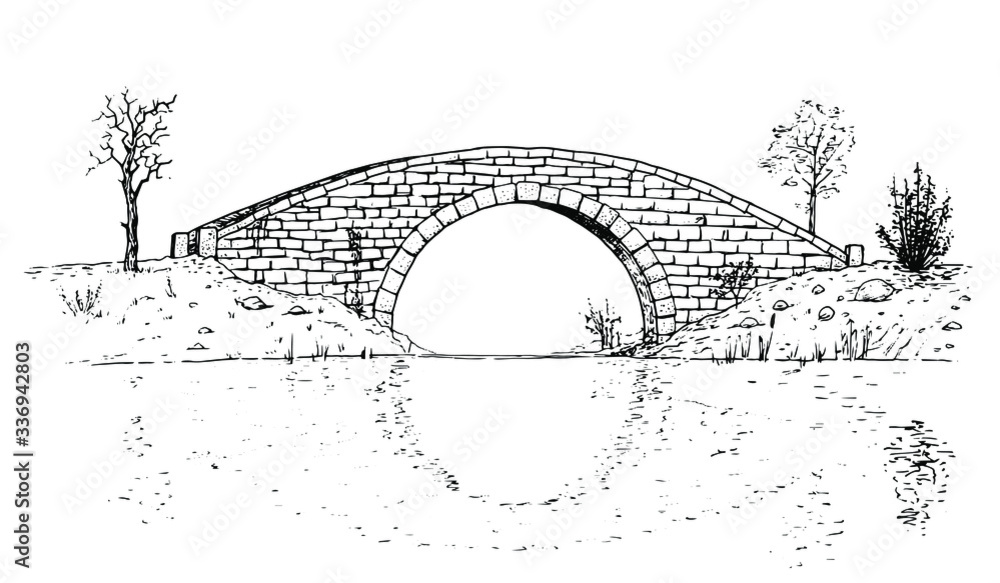
Imagine a bridge between you and your partner. That bridge represents inviting, safe communication. When the bridge is open, you can speak freely and be fully heard. But when the bridge is closed, you are speaking, your partner is speaking, but no one is being heard. There is no path to resolution
So how do you keep the bridge open?
**
One strategy we practice in couple’s therapy is emotion aware listening combined with “I perspective” statements. The expert of your experience, your feelings, and your intent…is you! And your partner is the expert of their experiences, feelings, and meanings. When you use the I perspective, you are speaking with credibility. This is safe ground for communication. The bridge is open.
Statements might begin with:
“When that happened, I felt like…”
“When you said that, I felt like…”
“What I meant for you to hear was…”
These statements would not include identity labels about the other person (i.e. “you didn’t take the dog out because you’re a liar!”), an interpretation of their intent (i.e. “you forgot to buy mustard because you don’t care about me”), or comparisons just to score points and cut the other down (i.e. “you’re just like your mom”) with implication of some negative behavior or habit.
Statements about the other’s thoughts and intentions put them in defense mode, shields up, weapons out. This is not a listening posture! The bridge is closed.
To help keep the conversation in an active instead of defensive mode, add to the I perspective, emotion aware listening.
Reflective statements may sound like:
“I heard you say you felt…”
“I am hearing that you experienced…”
Thoughtful questions are a great strategy here:
“Is it okay to talk about this now?”
“How are you feeling about this?”
“Can you help me understand [the thing they just shared] better?”
Your partner is hearing interest in them. They are experiencing engagement in not only the content of the communication, but the feelings around it. This puts you in a position to soothe and validate. And that is trust-building interaction. Across the open bridge, when one is vulnerable the other is caring and accepting.
Closed:
“[Noticing frustration] ugghh, what now?”
What do you mean what now, same [bleeped] every time!
“Okay crabby pants, sorry I asked!”
“[Angry words, slamming doors].”
Open:
“Everything okay? Are you upset about something?”
“I feel frustrated when you [do the thing].”
“I did not realize that bothered you. I’ll try not to do that in the future.”
“I appreciate you asking about how I felt.”
When the bridge is open, conflict resolution can happen. Emotion can be felt without blaming, eruption, or reactivity. When each partner feels the engagement is safe, they can reciprocate with care and acceptance. Defenses are down and listening is happening!
**
I perspective statements and emotion aware listening have built an open bridge of communication for you and your partner. There is renewed confidence that when one of you calls out, the other will respond with care.
Bridge maintenance will be a daily activity, but it is worth it. Controversies will arise. Slights will be made. But this practice of keeping the bridge open with its emotional accessibility and responsiveness will make attempts to resolve conflict more likely to succeed. When the practice becomes second nature, awareness of behaviors grow, and preventative measures will be more readily taken. What used to trigger conflict between the two of you will dissipate, or even disappear.
The more you practice, the easier it becomes.
Leo James is a Licensed Marriage and Family Therapist trained to think systemically and practicing Emotionally Focused Therapy for Couples. He currently works at the Center for Counseling and Wellness in St. Paul, Minnesota and has openings for couples and family clients.

 Center for Counseling and Wellness